Hong Kong' s ethnic minority population continues to grow. According to the 2021 Population Census, ethnic minorities account for 8.4% of the city' s population, while the proportion of non-Chinese children increased from 4.7% in 2011 to 7.2% in 2021. For ethnic minority families raising children with Special Educational Needs (SEN) often experience additional pressure due to language, cultural differences, limited access to information and financial barriers. The intersection of ethnic minority status and SEN, often described as “Double Jeopardy”, creates additional obstacles for children' s development and inclusion.
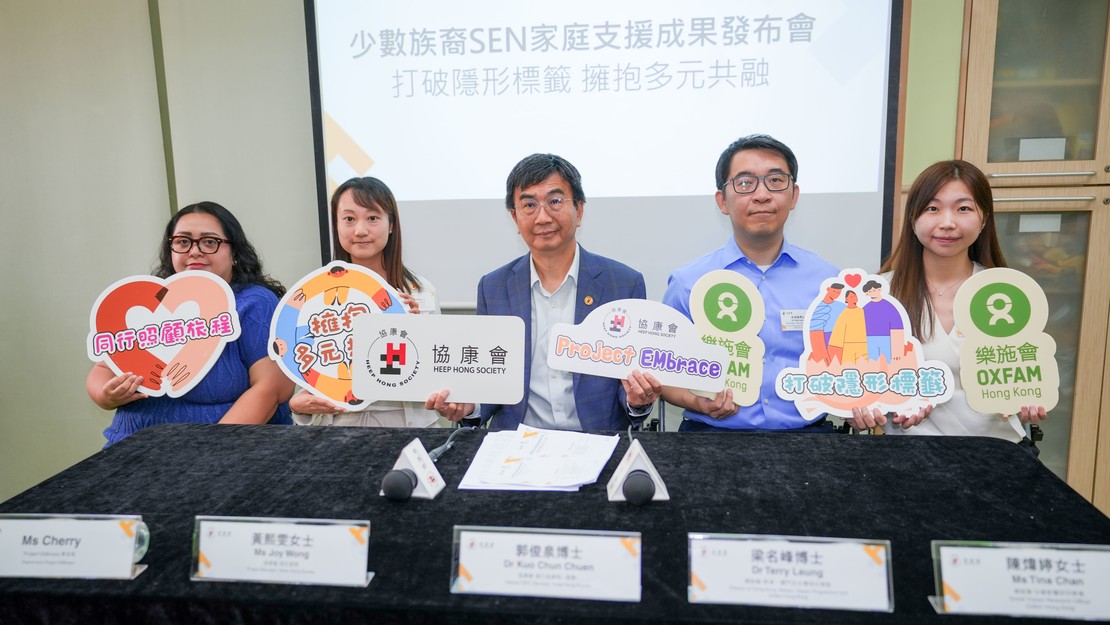
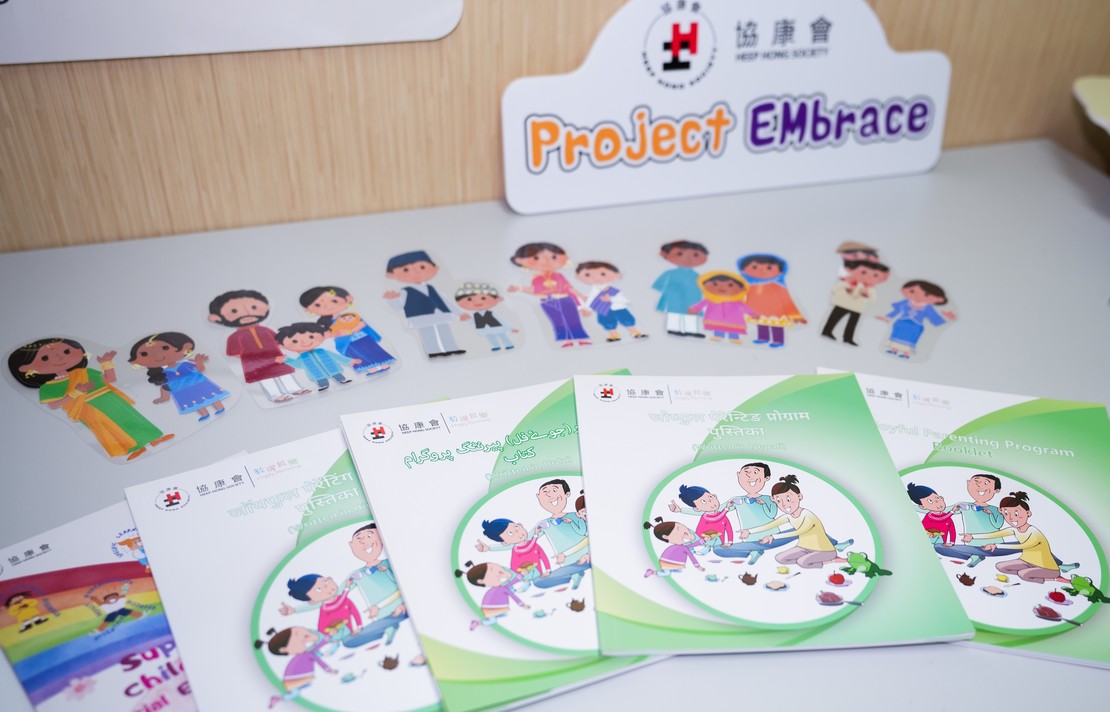
To address these pressing needs, Heep Hong Society (HHS), with funding support from the Van Tse Zung Charity Foundation, launched Project EMbrace from March 2023 to February 2025. Oxfam Hong Kong served as the project' s research and social impact evaluation partner. Through cross-sector collaboration, the project responded to the pressing needs of ethnic minority families of children with SEN. Findings from the social impact assessment revealed positive outcomes at the child, parent and community levels, with over 95% of participating children demonstrating notable improvement in activity participation, adaptation to different environments and ability to follow instructions.
Project EMbrace served 171 ethnic minority families of children with SEN and provided developmental assessments for 70 ethnic minority children suspected of having SEN. The project reduced the assessment waiting time from several months to more than a year to about two months. Families only paid HK$500 per assessment, compared with several thousand dollars typically charged by private providers, significantly lowering the barrier to accessing professional assessment services.
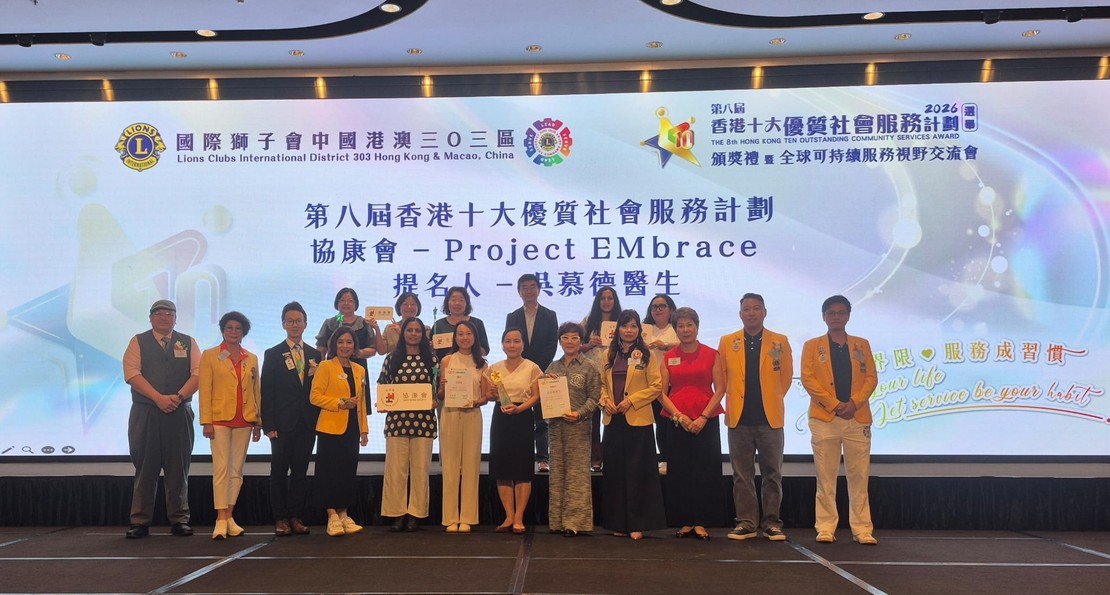
In recognition of its social impact, Project EMbrace received commendation in the Hong Kong Ten Outstanding Community Services Award 2026, organised by Lions Clubs International District 303, Hong Kong & Macao, China.
Significant Improvement Across 6 Developmental Domains, with Positive Impact on Parents and the Community
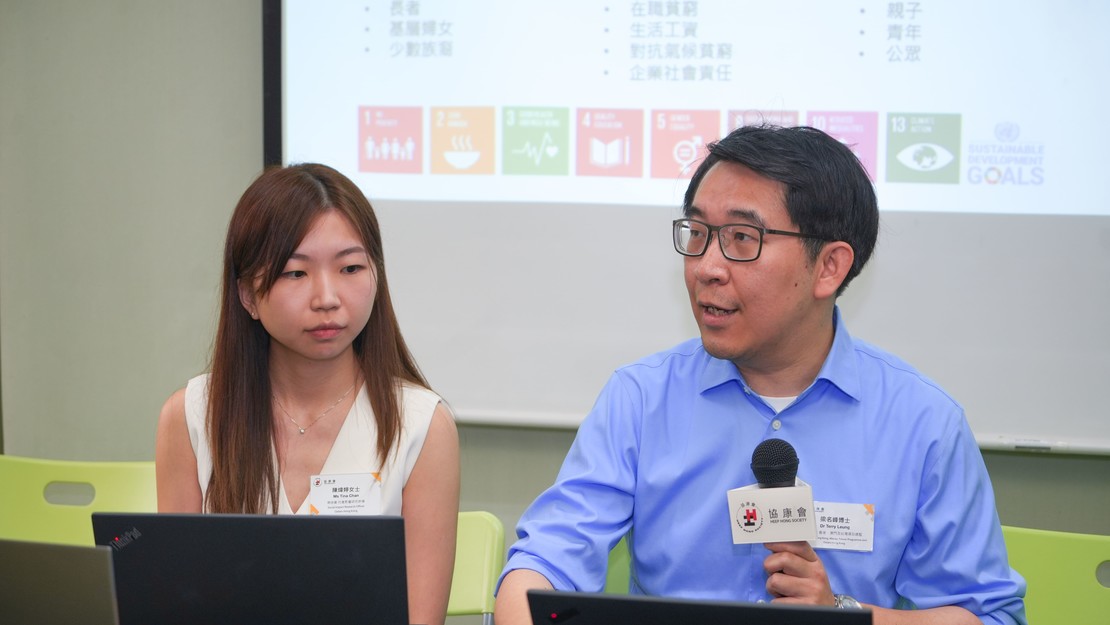
The social impact assessment was conducted by Oxfam Hong Kong' s research team. Findings showed that Project EMbrace generated positive change for children, parents and the wider community. Among 115 children who participated in parent-child groups and therapeutic assessment services, 95.7% demonstrated clear progress in activity participation, environmental adaptation and following instructions. Significant improvements were observed across six key developmental domains: self-care skills, fine motor skills, gross motor skills, language and communication skills, cognitive abilities and social-emotional development.
In addition, an average of 87.7% of parent respondents reported a better understanding of strategies to support their children, while 84.4% said they gained greater awareness of community resources and rehabilitation services. Both figures exceeded the original targets.
Furthermore, all participating schools and partner organisations agreed that the project enhanced caregivers' understanding of children' s developmental needs. The project also established long-term partnerships with four organisations and 24 kindergartens.
Dr. Terry Leung, Programme Director for Hong Kong, Macau and Taiwan at Oxfam, said, “Project EMbrace has not only improved children' s developmental performance, but has also strengthened family resilience and community collaboration. Parents have become more confident in supporting their children’s growth, demonstrating the project' s sustainable and far-reaching social impact.”
Ethnic Minority Families Face Barriers to Accessing Support Information
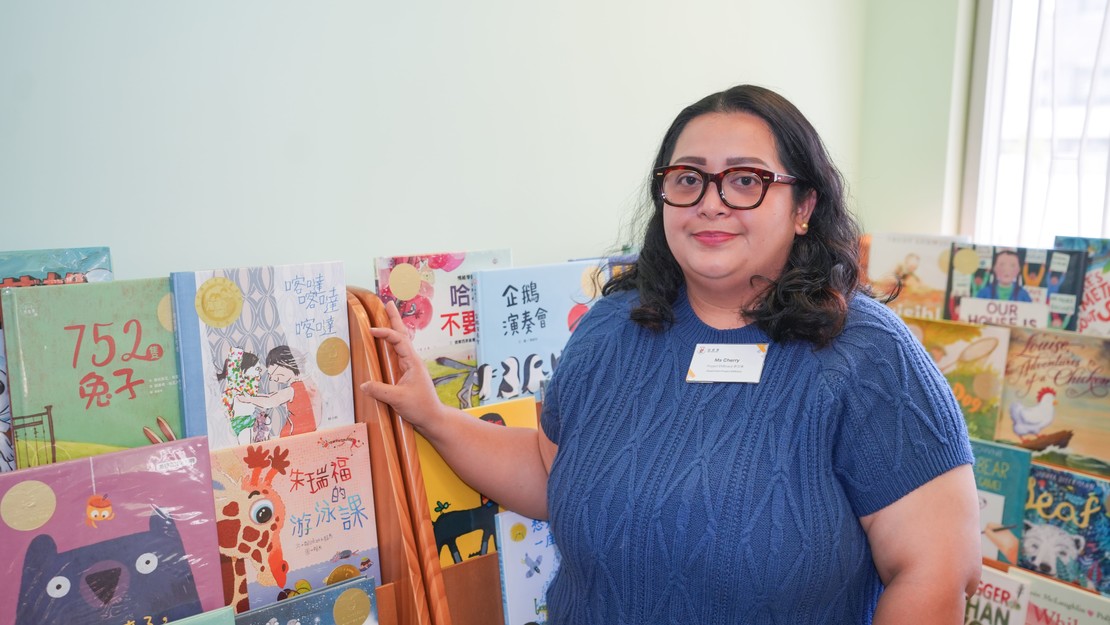
Cherry, a Filipino parent who participated in the project, has two sons diagnosed with Autism Spectrum Disorder (ASD). Her elder son is currently studying in primary school, while her younger son, four-year-old Ethan, previously attended Heep Hong Society’s Early Education and Training Centre.
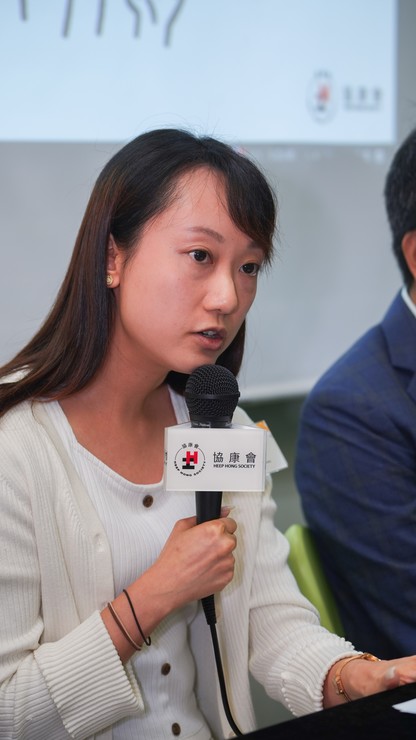
Cherry said, “There are limited resources specifically for ethnic minority families of children with SEN. Parents like us knew almost nothing about available SEN support services and often had to rely on other ethnic minority parents for information. Language barriers made the process of seeking help even more difficult. Through Project EMbrace, Ethan received a timely assessment and, while waiting for government-subvented services, was able to receive training and take part in activities at Heep Hong Society. His communication skills improved. I also joined parent workshops and parent-child groups, where I learned how to interact and communicate with my child. This significantly reduced my caregiving stress.”
Sustaining the Power of Collaboration
Ethnic minority children with SEN and their families continue to face a range of challenges, including cultural misunderstandings and stigma, language and information accessibility issues, and unequal participation in preschool rehabilitation services.
To continue addressing these needs, Heep Hong Society and its strategic partner Oxfam Hong Kong launched Project Bond Beyond Words, a 16-month multicultural and SEN parenting support programme, in August 2026. The programme provides rapid developmental assessments, parenting education and family activities for ethnic minority children with suspected or diagnosed SEN and their families, promoting earlier intervention and more timely support.
The project will also produce a publication documenting good practices and experiences, and conclude with a thematic symposium to facilitate knowledge exchange among professionals and strengthen sector-wide capacity to support multicultural SEN families.
Only Five Dedicated Ethnic Minority Units Across Hong Kong
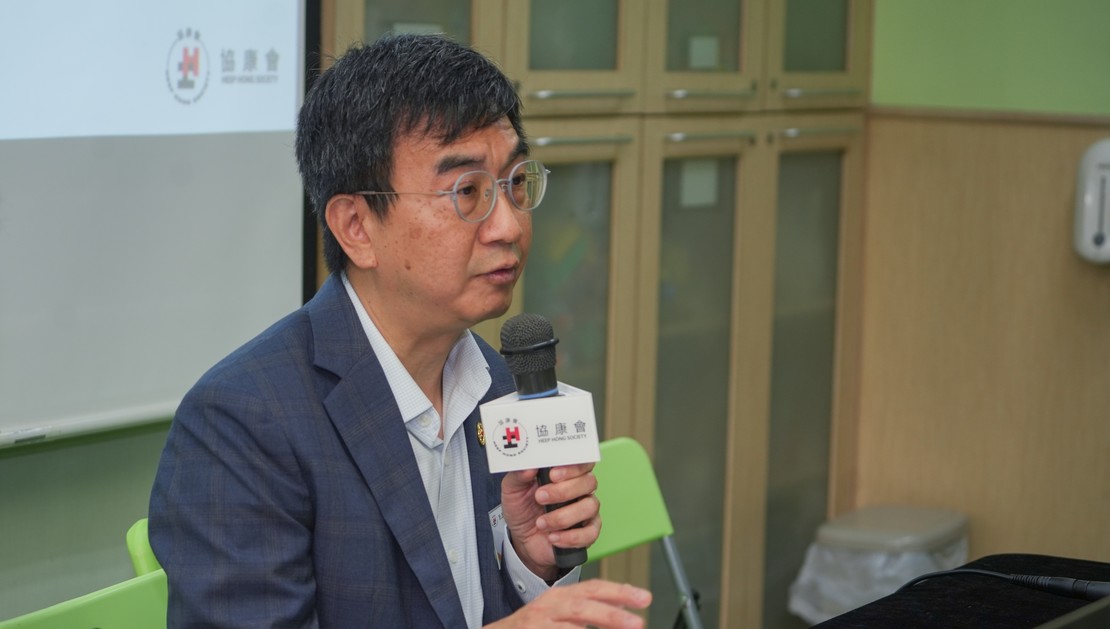
Dr. Kwok Chun Chuen, Deputy Chief Executive Officer (Services) of Heep Hong Society, said, “Among the 23 Parent/Relative Resource Centres funded by the Social Welfare Department, only five have dedicated service units for ethnic minority communities. Heep Hong Society’s Hoi Fu Parent Resource Centre is one of them. We tailor services to address language barriers and cultural differences, encouraging ethnic minority families to make greater use of community support services and promoting social inclusion.”
Recommendations for Strengthening Support
To further enhance support for ethnic minority families of children with SEN, Heep Hong Society proposes the following:
1. Expand Outreach and Community Support Services
Allocate additional resources to dedicated ethnic minority service units under Parent/Relative Resource Centres, increase outreach manpower, and proactively engage families facing language, cultural or information barriers. This would facilitate the early identification of support needs among young children with SEN, persons with disabilities and their caregivers, while also strengthening family and community education to reduce misconceptions and stigma associated with disability, SEN and help-seeking.
2. Strengthen Multilingual Support in Pre-school Rehabilitation Services
Increase the number of Early Education and Training Centres (EETCs) and Special Child Care Centres (SCCCs) with English and multilingual service capacity according to district needs. Interpretation, translation and cross-cultural support services should also be enhanced.
3. Establish a Subsidised Accredited Assessment Scheme
Provide financial support for children currently waiting for assessment by the Department of Health's Child Assessment Service to receive assessments from accredited professionals that meet referral requirements for preschool rehabilitation services. This would enable children with developmental needs to access assessment, intervention and follow-up support at an earlier stage.
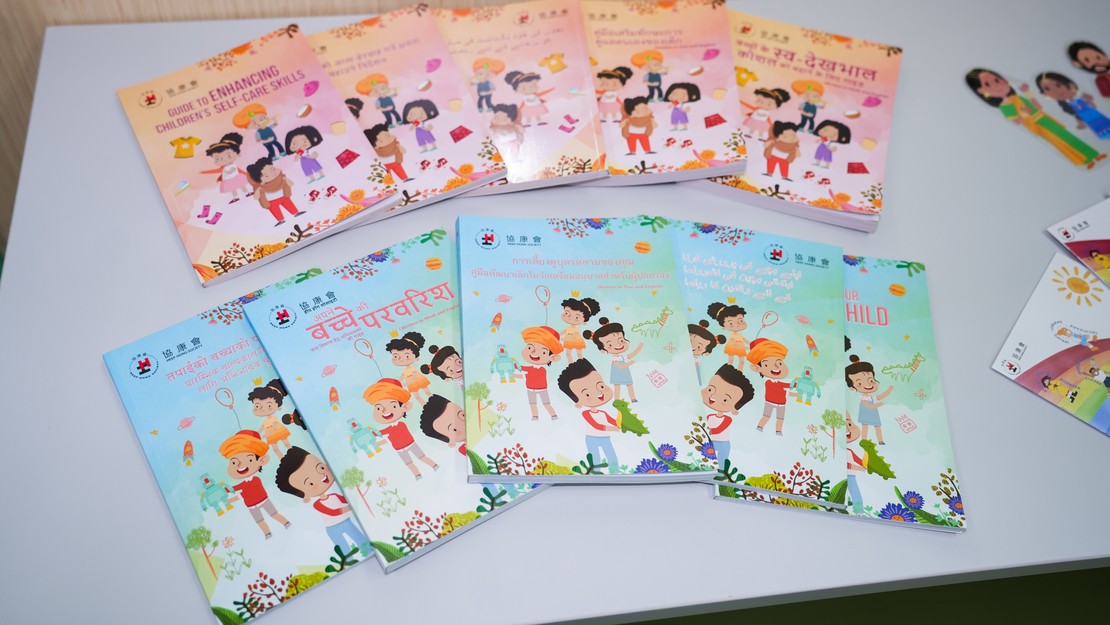
Heep Hong Society remains committed to supporting multicultural communities and strengthening service accessibility. By leveraging community resources and partnerships, the Society plans to launch a multilingual online resource hub in 2027 for ethnic minority caregivers of children with SEN, providing rehabilitation service information in Chinese, English, Hindi, Nepali and Urdu.
A series of stakeholder training workshops will also be organised to strengthen professionals' capacity to respond effectively to the needs of ethnic minority communities.